


Becoming a Pilot in Miami: Your Guide to Pilot Training in Miami
- guaveprods
- Mar 16
- 4 min read
If you've ever dreamed of soaring through the skies, Miami is a fantastic place to start your journey. Becoming a pilot here means more than just learning to fly - it’s about embracing a lifestyle full of adventure, responsibility, and opportunity. Whether you want to fly commercial planes, private jets, or even become a flight instructor, this guide will walk you through everything you need to know about pilot training in Miami.
Why Choose Pilot Training in Miami?
Miami offers a unique environment for pilot training. The city’s weather is mostly sunny and clear, which means fewer weather delays and more flying days. Plus, Miami’s diverse airspace provides excellent experience for new pilots.
Here’s why Miami stands out:
Year-round flying conditions: The tropical climate means you can train almost every day.
Busy airspace: Miami International Airport and several smaller airports nearby offer real-world experience.
Diverse flight paths: From coastal routes to inland flights, you’ll get a variety of flying experiences.
Strong aviation community: Local flight schools and clubs provide support and networking opportunities.
If you’re serious about a pilot career, Miami’s environment will help you build solid skills quickly.
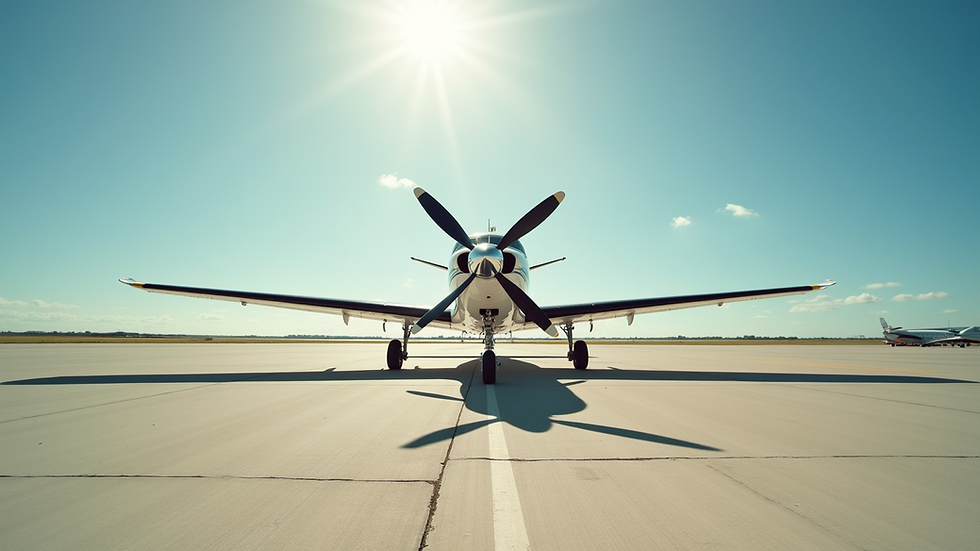
How to Start Your Pilot Training in Miami
Starting pilot training can feel overwhelming, but breaking it down into clear steps makes it manageable. Here’s a simple roadmap:
Meet the basic requirements
You must be at least 17 years old, fluent in English, and hold a valid medical certificate from an FAA-authorized aviation medical examiner.
Choose the right flight school
Look for FAA-certified schools with good reputations. Visit schools, ask about their fleet, instructors, and success rates.
Begin ground school
This is where you learn the theory - aerodynamics, navigation, weather, and FAA regulations.
Start flight training
You’ll log hours flying with an instructor, practicing maneuvers, takeoffs, landings, and emergency procedures.
Pass the FAA written exam
After ground school, you’ll take a multiple-choice test covering all the theory.
Complete solo flights
Once your instructor approves, you’ll fly solo to build confidence and experience.
Pass the checkride
This is the final practical test with an FAA examiner, including oral questions and a flight test.
Miami’s flight schools often offer flexible schedules and modern aircraft, making training accessible and efficient.
Is 27 Too Old to Become a Pilot?
You might wonder if 27 is too late to start pilot training. The good news? It’s definitely not! Many people begin their aviation careers well into their 30s, 40s, or even later.
Here’s why age shouldn’t hold you back:
FAA has no upper age limit for private pilot certificates.
Commercial airline pilots must retire at 65, so starting at 27 still gives you plenty of years to build a career.
Maturity and life experience can be a huge advantage in training and decision-making.
Flexible career paths: You can become a flight instructor, charter pilot, or corporate pilot, which often have different age considerations.
If you’re motivated and committed, 27 is a great age to start your pilot journey.

What Does the Pilot Training Process Look Like in Miami?
Training to become a pilot involves several stages, each building on the last. Here’s a breakdown of what you can expect:
Private Pilot License (PPL)
Duration: Typically 3-6 months.
Flight hours required: Minimum 40 hours (20 with instructor, 10 solo).
Skills learned: Basic flying, navigation, communication, emergency procedures.
Outcome: You can fly single-engine aircraft for personal use.
Instrument Rating (IR)
Duration: 2-3 months.
Flight hours required: 40 hours of instrument time.
Skills learned: Flying solely by instruments, essential for bad weather.
Outcome: Fly safely in clouds and low visibility.
Commercial Pilot License (CPL)
Duration: 6-12 months.
Flight hours required: 250 total hours.
Skills learned: Advanced maneuvers, complex aircraft, commercial operations.
Outcome: You can be paid to fly.
Certified Flight Instructor (CFI)
Duration: 1-3 months.
Skills learned: Teaching others to fly.
Outcome: Build flight hours and experience by instructing.
Each step requires passing FAA exams and checkrides. Miami’s flight schools often offer packages to complete these stages efficiently.
How to Build a Successful Career as a Pilot in Miami
Once you’ve earned your licenses, the next step is turning your training into a career. Here are some tips to help you succeed:
Network with local aviation professionals: Join Miami aviation clubs and attend industry events.
Gain diverse flight experience: Fly different aircraft and in various conditions.
Consider flight instructing: It’s a great way to build hours and improve skills.
Stay current with certifications: Keep your medical and licenses up to date.
Explore job opportunities: Miami’s busy airports and charter companies offer many openings.
Keep learning: Pursue additional ratings like multi-engine or airline transport pilot (ATP).
If you want to explore a career as a pilot in Miami, take advantage of the city’s resources and community to grow your skills and connections.
What to Expect Financially and Timewise
Pilot training requires a significant investment of time and money. Here’s a realistic look:
Cost: Private pilot training can cost $8,000 to $15,000. Commercial training and additional ratings can push total costs to $60,000 or more.
Time: Depending on your schedule, training can take from 6 months to 2 years.
Financial aid: Some schools offer financing or scholarships. Check local aviation organizations for support.
Return on investment: Pilots often earn competitive salaries, especially as they gain experience.
Planning your budget and timeline carefully will help you stay on track.
Final Thoughts on Your Pilot Journey in Miami
Becoming a pilot in Miami is an exciting and achievable goal. The city’s excellent weather, busy airspace, and strong aviation community make it an ideal place to train and launch your career. Remember, the journey requires dedication, but the rewards are worth it.
If you’re ready to take off, start researching flight schools, schedule a discovery flight, and take the first step toward the skies. Your adventure in aviation awaits!



Comments