


Explore the Latest Modern Aviation Trends
- guaveprods
- Mar 7
- 4 min read
The aviation sector is evolving rapidly, driven by technological innovation, environmental concerns, and changing passenger expectations. Staying updated with the latest modern aviation trends is essential for industry professionals, enthusiasts, and travelers alike. This article delves into the most significant developments shaping the future of flight, from sustainable technologies to digital transformation.
Embracing Sustainability in Aviation
One of the most pressing challenges facing the aviation industry today is reducing its environmental impact. Airlines and manufacturers are investing heavily in sustainable solutions to lower carbon emissions and improve fuel efficiency.
Sustainable Aviation Fuels (SAFs): These biofuels are derived from renewable resources such as plant oils, algae, and waste materials. SAFs can reduce lifecycle carbon emissions by up to 80% compared to traditional jet fuel. Airlines like United and KLM have already begun incorporating SAFs into their operations on select routes.
Electric and Hybrid Aircraft: Electric propulsion is gaining momentum, especially for short-haul flights. Companies like Eviation and Pipistrel are developing electric planes that promise quieter, cleaner flights with lower operating costs. Hybrid models combining electric motors with conventional engines are also under development to extend range and efficiency.
Lightweight Materials: The use of advanced composites and lightweight alloys in aircraft construction reduces weight and fuel consumption. Boeing’s 787 Dreamliner and Airbus’s A350 XWB are prime examples of aircraft designed with these materials to enhance performance and sustainability.
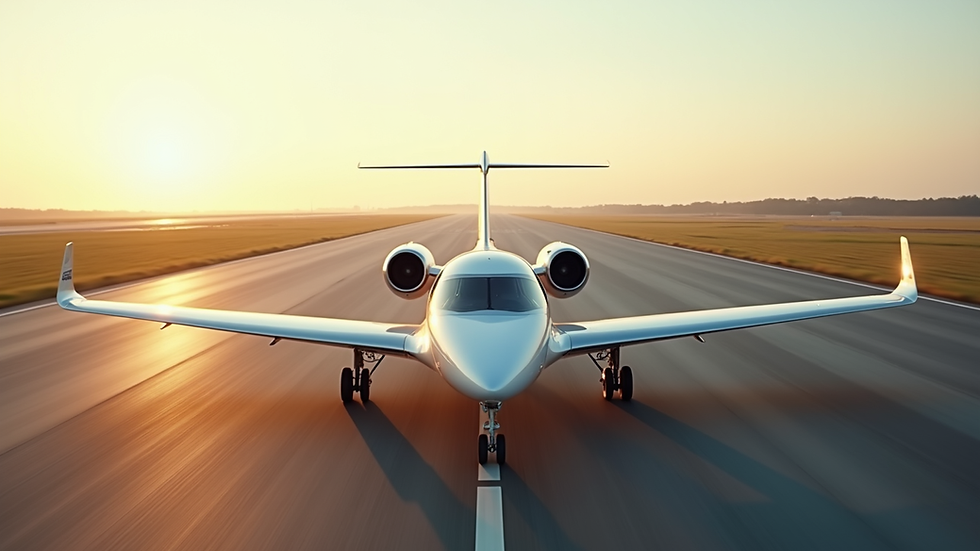
Key Modern Aviation Trends Transforming the Industry
The aviation industry is not only focusing on sustainability but also embracing digital transformation and passenger experience enhancements. These modern aviation trends are reshaping how airlines operate and how passengers interact with air travel.
Digitalization and Automation: Airlines are leveraging AI and machine learning to optimize flight routes, maintenance schedules, and customer service. Automated check-in kiosks, biometric boarding, and AI-powered chatbots are becoming standard, reducing wait times and improving efficiency.
Urban Air Mobility (UAM): The concept of air taxis and personal aerial vehicles is moving closer to reality. Companies like Volocopter and Joby Aviation are testing electric vertical takeoff and landing (eVTOL) aircraft designed for urban environments, promising to alleviate ground traffic congestion.
Enhanced In-Flight Connectivity: Passengers now expect seamless internet access during flights. Satellite-based broadband services are expanding, enabling streaming, video calls, and real-time work from 30,000 feet.
Health and Safety Innovations: Post-pandemic, airlines have adopted advanced air filtration systems, touchless technologies, and improved cleaning protocols to ensure passenger safety and confidence.

The Role of Advanced Technologies in Aviation
Technology is at the heart of modern aviation trends, driving improvements in safety, efficiency, and passenger comfort.
Artificial Intelligence (AI) and Big Data: AI algorithms analyze vast amounts of data to predict maintenance needs, optimize fuel consumption, and enhance flight safety. Predictive maintenance reduces downtime and costs by addressing issues before they become critical.
Blockchain for Security and Transparency: Blockchain technology is being explored to secure passenger data, streamline ticketing, and improve supply chain transparency. This can reduce fraud and enhance trust between airlines and customers.
Augmented Reality (AR) and Virtual Reality (VR): AR and VR are used for pilot training, maintenance support, and passenger entertainment. These immersive technologies provide realistic simulations and interactive experiences that improve skills and engagement.
Supersonic and Hypersonic Travel: Companies like Boom Supersonic are developing aircraft capable of flying faster than the speed of sound, potentially cutting long-haul flight times in half. While still in development, these innovations could revolutionize international travel.
How Airlines Are Enhancing Passenger Experience
Modern aviation trends also focus heavily on improving the passenger journey from booking to arrival.
Personalized Services: Airlines use data analytics to offer tailored services such as customized meal options, preferred seating, and targeted promotions. This personalization enhances customer satisfaction and loyalty.
Seamless Travel Experience: Integration of mobile apps, digital boarding passes, and real-time updates help passengers navigate airports and flights smoothly. Some airlines are experimenting with biometric identification to speed up security and boarding processes.
Comfort and Wellness: New cabin designs prioritize passenger comfort with improved seating ergonomics, mood lighting, and noise reduction. Wellness initiatives include better air quality, hydration options, and in-flight exercise programs.
Sustainability as a Selling Point: More travelers are choosing airlines based on their environmental commitments. Transparent reporting on carbon footprints and participation in carbon offset programs are becoming important factors in airline choice.
Preparing for the Future of Aviation
The future of aviation is exciting and full of potential. To stay ahead, industry stakeholders must embrace innovation while addressing challenges such as regulatory compliance, infrastructure development, and workforce training.
Collaboration Across Sectors: Governments, manufacturers, airlines, and technology firms need to work together to develop standards and infrastructure that support new technologies like electric aircraft and UAM.
Investment in Research and Development: Continuous R&D is crucial to bring emerging technologies from concept to commercial reality. Funding and incentives can accelerate breakthroughs in sustainable fuels, propulsion systems, and digital tools.
Focus on Workforce Skills: As automation and AI become more prevalent, the aviation workforce must adapt. Training programs should emphasize digital literacy, data analysis, and new technical skills.
Adapting to Changing Passenger Expectations: Airlines must remain agile to meet evolving demands for convenience, safety, and sustainability. Listening to customer feedback and leveraging data insights will be key.
For those interested in a deeper dive into the evolving landscape, exploring the latest aviation industry trends offers valuable insights into how the sector is transforming.
The aviation world is on the brink of a new era defined by innovation, sustainability, and enhanced passenger experiences. By understanding and embracing these modern aviation trends, stakeholders can navigate the challenges ahead and soar to new heights.


Comments